

Small-Unit Thinking at Home: Clear Roles, Calm Talk, Less Chaos
Small teams in high-stakes jobs win because people know who does what, how to talk when it’s loud, and how to fix problems early. You don’t need a uniform or a mission brief to use the same ideas at home, on a job site, or in a small company.
Researchers in aviation, hospitals, and the military have studied this for decades. Below is the plain-language version—what it looks like on a Tuesday, not in a textbook. Sources are at the bottom if you want to dig in.
Better than generic “team building”
Getting along matters, but coordination matters more: passing information clearly, covering for each other when someone’s overloaded, and catching small mistakes before they become big ones. Structured practice and honest debriefs beat rope courses for actual results—that’s what the research keeps finding.
Everyone needs the same picture
When people share a simple mental map—“who owns what, when things happen”—the day runs smoother. You don’t need a whiteboard lecture. You need a few clear agreements.
- “I’ve got dinner Tuesday and Thursday; you’ve got bath and bed those nights.”
- “If school cancels, you do pickup and I cover the work call.”
- “‘Clean kitchen’ means dishes done and counters wiped—we’re using the same definition.”
Safe to speak up (not the same as “soft”)
In strong teams, people can say “I messed up” or “I don’t understand” without getting crushed. That doesn’t mean no standards—it means problems get fixed faster because they don’t stay hidden.
At home or work, that often sounds like: talk about the broken process, not a broken person. “The schedule didn’t work” lands better than “you never help.”
Confirm the important stuff
Pilots and nurses repeat back critical details so nobody assumes wrong. You don’t need radio voice at dinner—but for pickups, meds, money moves, and travel, five seconds of “So I heard ___—right?” saves hours of cleanup.
Lead with clarity, not volume
Effective leaders set direction and support people—not endless speeches. In real life: name the priority and what you’re not doing right now. “We’re protecting sleep and training this month; extra nights out wait” is a leadership sentence.
Gear and “we”
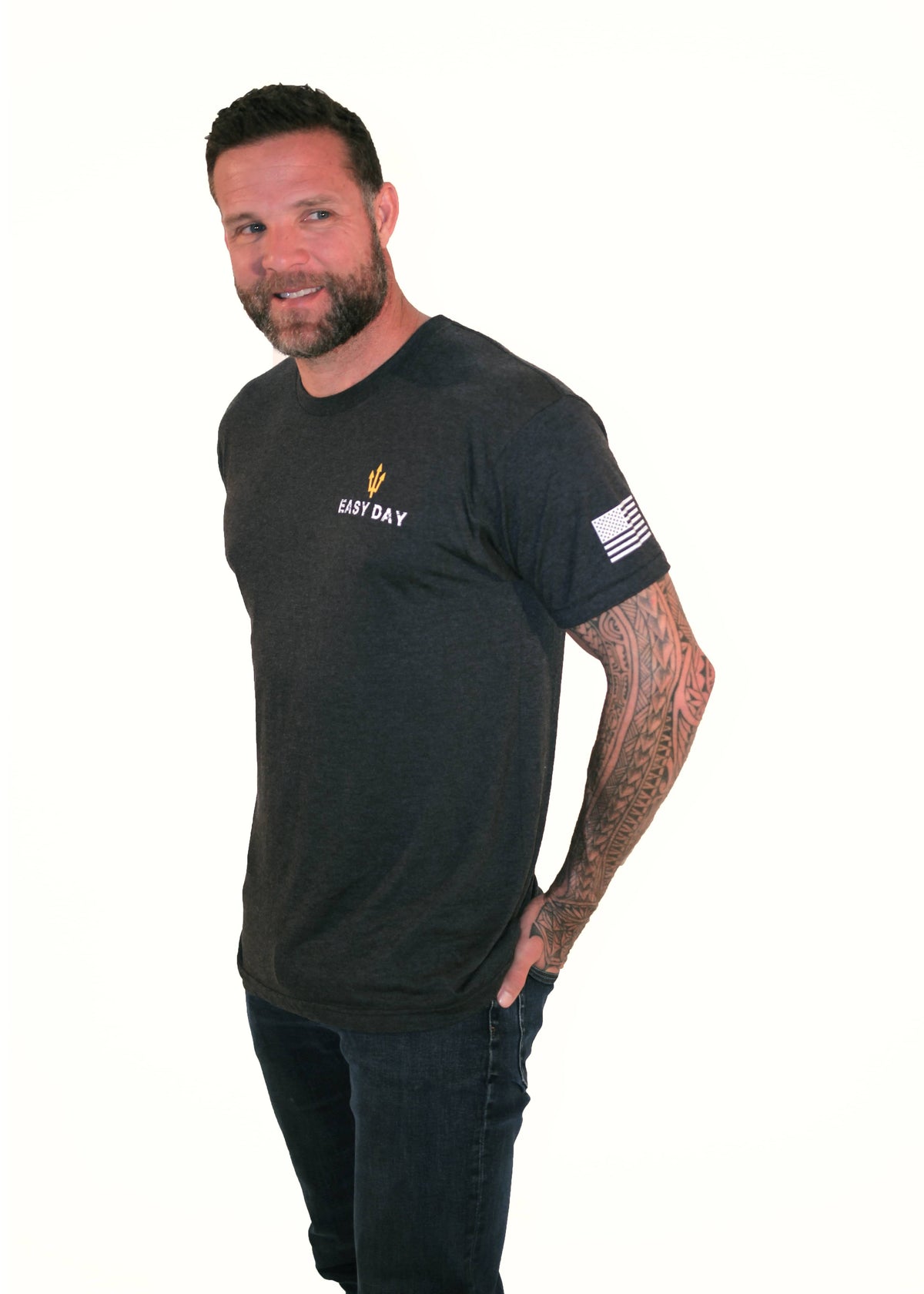
Matching gear isn’t about looking tactical. Sometimes it’s just one less decision and a quiet signal that you’re on the same crew. There’s even research that what you wear can nudge confidence a bit—small effect, but your day is made of small things.
Two weeks, five steps (boring on purpose)
- List the repeating tasks that cause fights: meals, rides, bills, training windows.
- One owner each for a given time slot—avoid vague “we’ll figure it out.”
- 15 minutes once a week: calendar, what sucked, one fix for next week.
- After a rough week, ask what broke and what rule to change—not who to blame.
- Reward honesty early when someone flags a problem; it saves you later.
Sources (for curious readers)
- Salas E, et al. The science of training and development in organizations. Psychol Sci Public Interest. 2012.
- Mathieu JE, et al. Embracing complexity: team effectiveness research review. Annu Rev Organ Psychol Organ Behav. 2019.
- Edmondson A. Psychological safety and learning in teams. Adm Sci Q. 1999.
- Cannon-Bowers JA, Salas E. Shared mental models and team training (see Salas team-cognition work).
- McChrystal S, et al. Team of Teams. Portfolio, 2015.
- Adam H, Galinsky AD. Enclothed cognition. J Exp Soc Psychol. 2012.
Educational only—not therapy or legal/business advice for high-stakes situations.
Explore Easy Day Apparel — for people who like standards without the noise.