
Train in It, Live in It: How to Pick Clothes That Actually Hold Up
Your clothes are part of your day, not a costume you change out of. When a shirt stays wet, rides up, or falls apart after a few washes, it’s not just annoying—it’s one more thing pulling attention away from what you’re doing.
Below is a practical breakdown of why some gear feels better in heat, cold, and real life, and how to shop without overthinking it. We cite solid research at the end if you want to go deeper.
Why “gym only” clothes cost you time
If you train before work, after work, or between kid handoffs, you’re not living in a locker room. You need stuff that dries reasonably, holds shape, and doesn’t look like a mistake when you grab coffee or sit in a meeting after a shower.
Friction adds up. Less friction means more sessions actually happen.
Heat, sweat, and weather (the simple version)
When you work hard, your body produces heat. Sweat cools you mainly by evaporating off your skin. Clothes sit right in the middle of that—they can pull moisture away, trap it, or add insulation.
So the “best” fabric depends on what you’re doing: a brisk morning might feel great in something that feels swampy during a hard humid session or under a ruck.
Quick rules of thumb
- Hot and hard effort: look for things that don’t hold a puddle against your skin.
- Cold: layers you can add or remove; avoid a soaked base layer against your skin when it’s chilly.
- Train, then life: pieces that bounce back after washing and don’t look beat after a month.
Labels: cotton vs synthetic vs blends
Cotton often feels soft at rest but can hang onto sweat. Wool can be amazing across temperatures. Synthetics are often great at moving sweat and drying fast—but quality varies a lot.
The stitch and the weight usually matter more than the buzzword on the tag. Seams, fit, and how it’s built predict whether you’ll still want to wear it a year from now.
Fit: can you move?
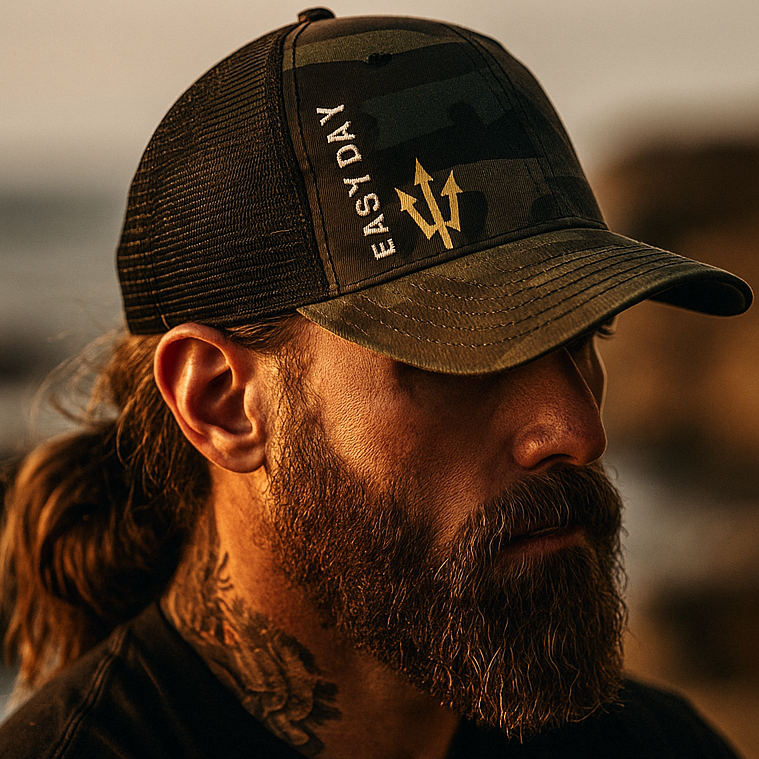
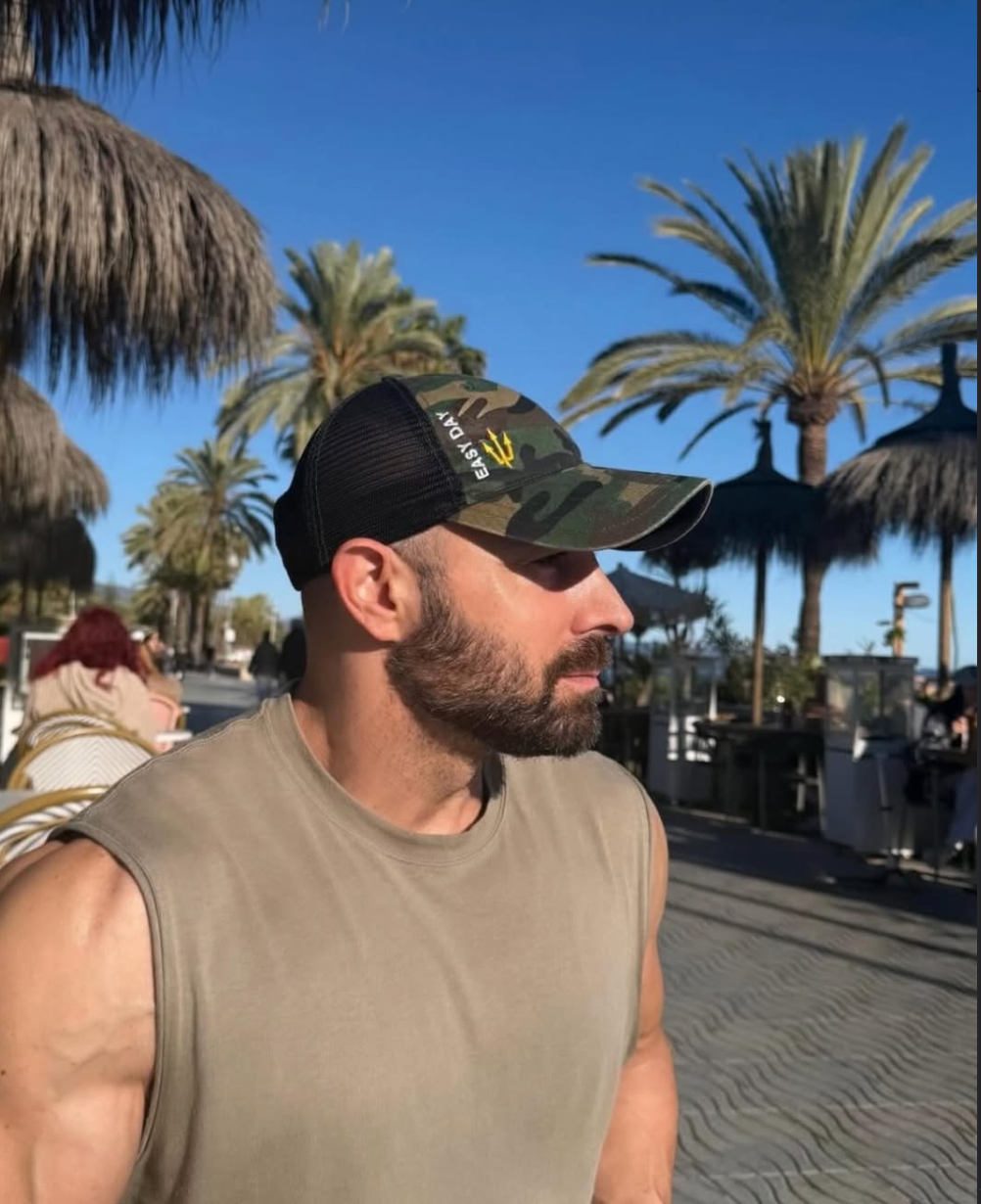
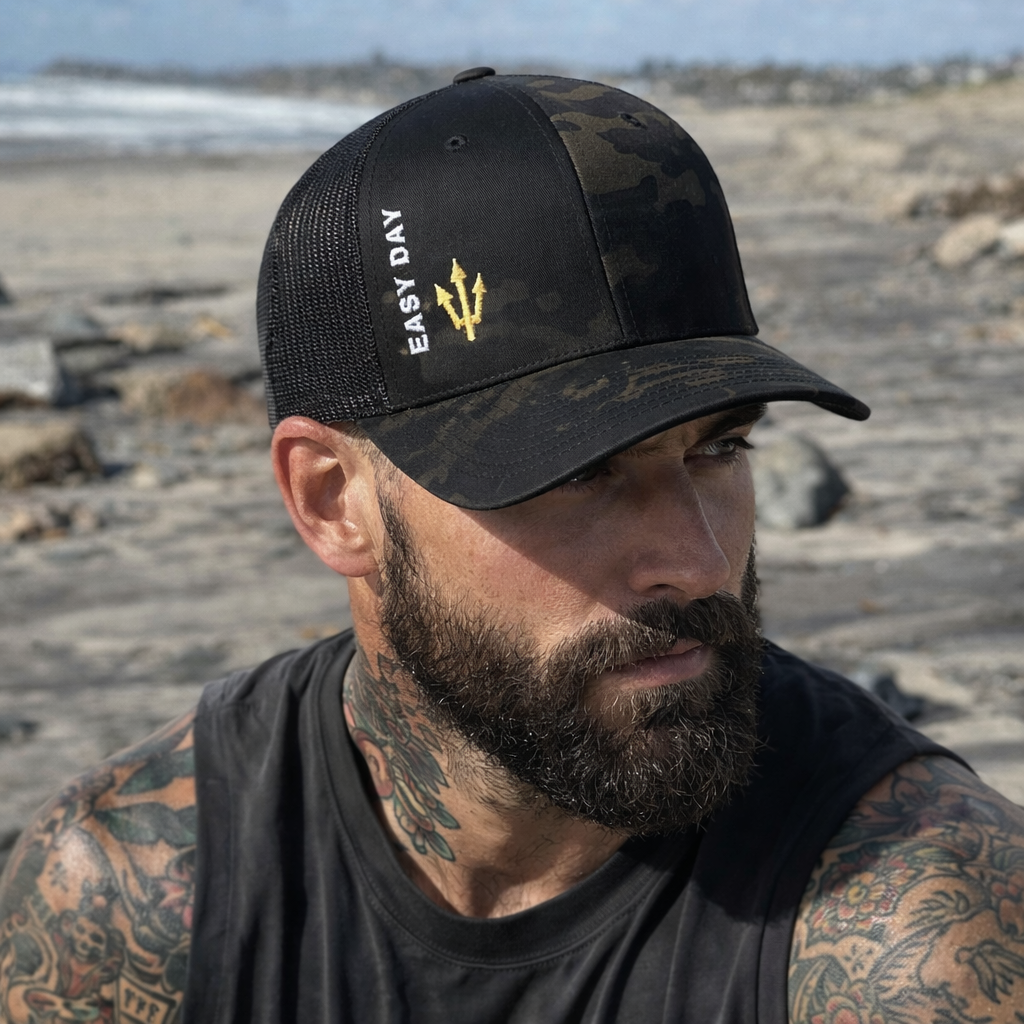
You shouldn’t feel like you’re fighting your shirt to reach overhead or bend down. Hats shouldn’t fly off in wind or dig in after an hour. If something passes the mirror but fails the moving test, it fails.
Smell and laundry reality
Marketing loves “antimicrobial.” What usually matters more is washing well, drying fully, and buying fabric that doesn’t break down in three cycles. When a tee pills or fades fast, people stop wearing it in public—that’s a real cost.
Why this ties back to training results
Big reviews of the research are clear: getting stronger is about showing up over time and gradually doing a bit more work—not magic supplements. Clothes sit upstream: if you hate putting your kit on, you’ll skip more often. Make the kit easy.
Five-minute buying test (seriously try this)
- Reach test: arms overhead and forward—does the shirt fight you?
- Sweat test: one hard session—clingy, chafing, or heavy when wet?
- Wash test: three washes—shape and seams still solid?
- Real-life test: after a shower, would you wear it somewhere casual without feeling sloppy?
- Bag test: stuff it in a gym bag—does it recover or look done?
Fewer, better pieces
A smaller rotation of good shirts, layers, and one or two “always clean” options beats a drawer of almost-good stuff. Less deciding every morning.
Sources (for curious readers)
- Gagnon D, Kenny GP. Exercise, heat stress, and thermoregulation. J Appl Physiol. 2012.
- Havenith G. Heat balance when wearing protective clothing. Ann Occup Hyg. 1999.
- Morton RW, et al. Protein and resistance training: systematic review and meta-regression. Br J Sports Med. 2018.
- Kraemer WJ, Ratamess NA. Resistance training progression and prescription. Med Sci Sports Exerc. 2004.
- Adam H, Galinsky AD. Enclothed cognition. J Exp Soc Psychol. 2012.
Educational only—not medical advice.
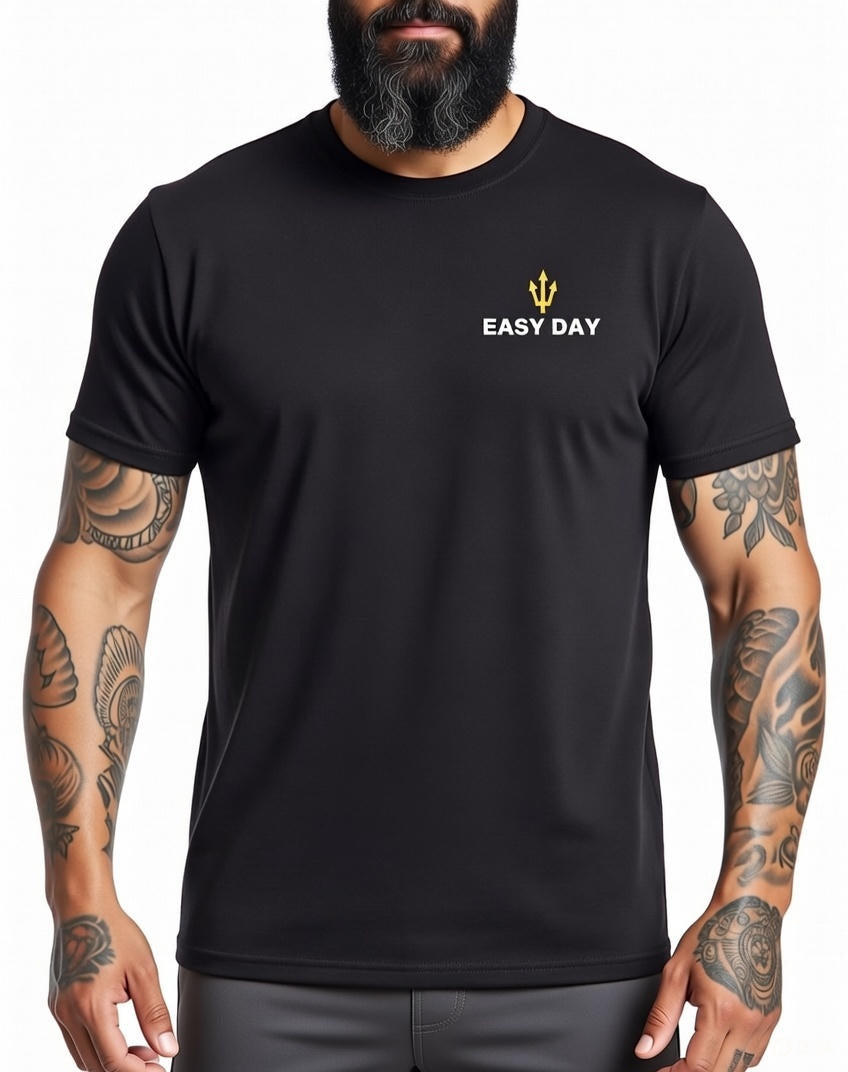
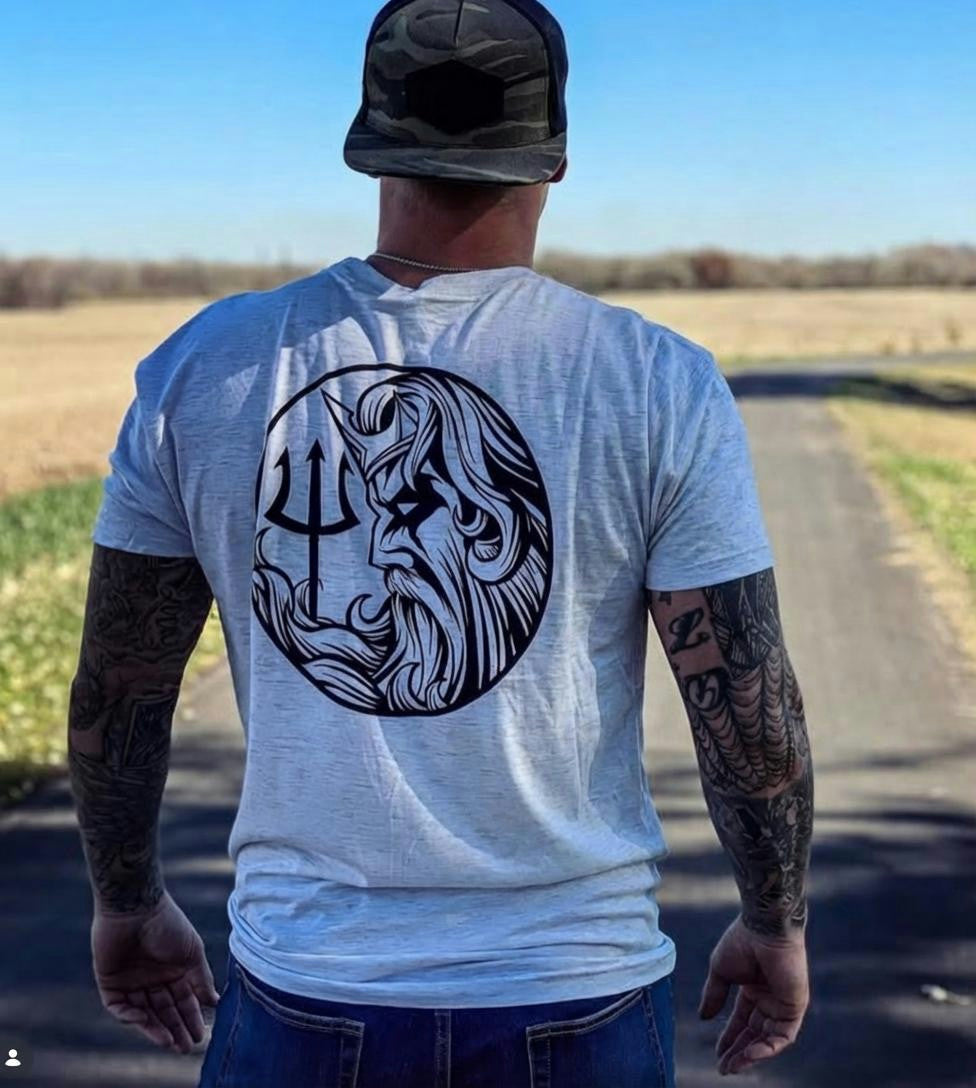
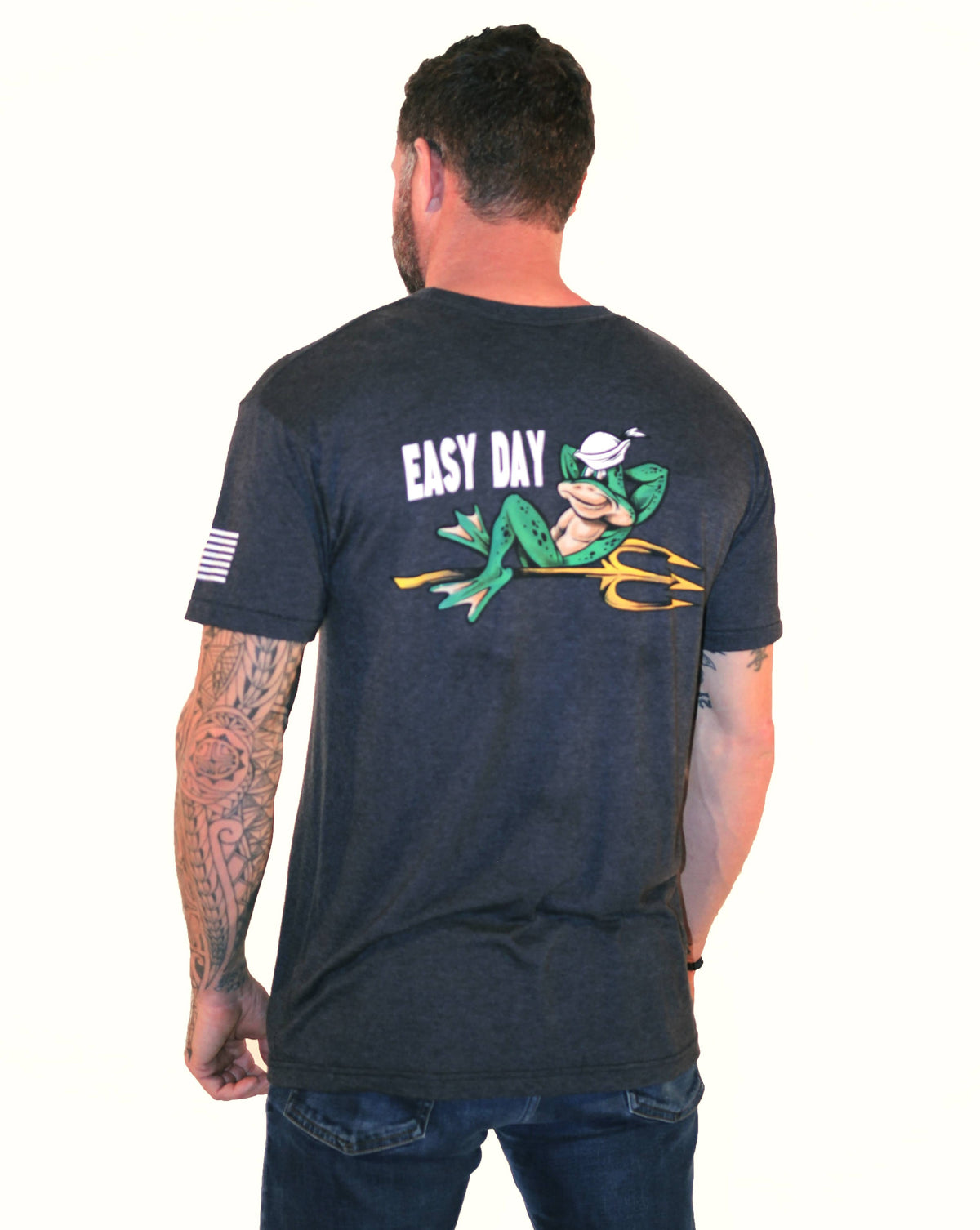
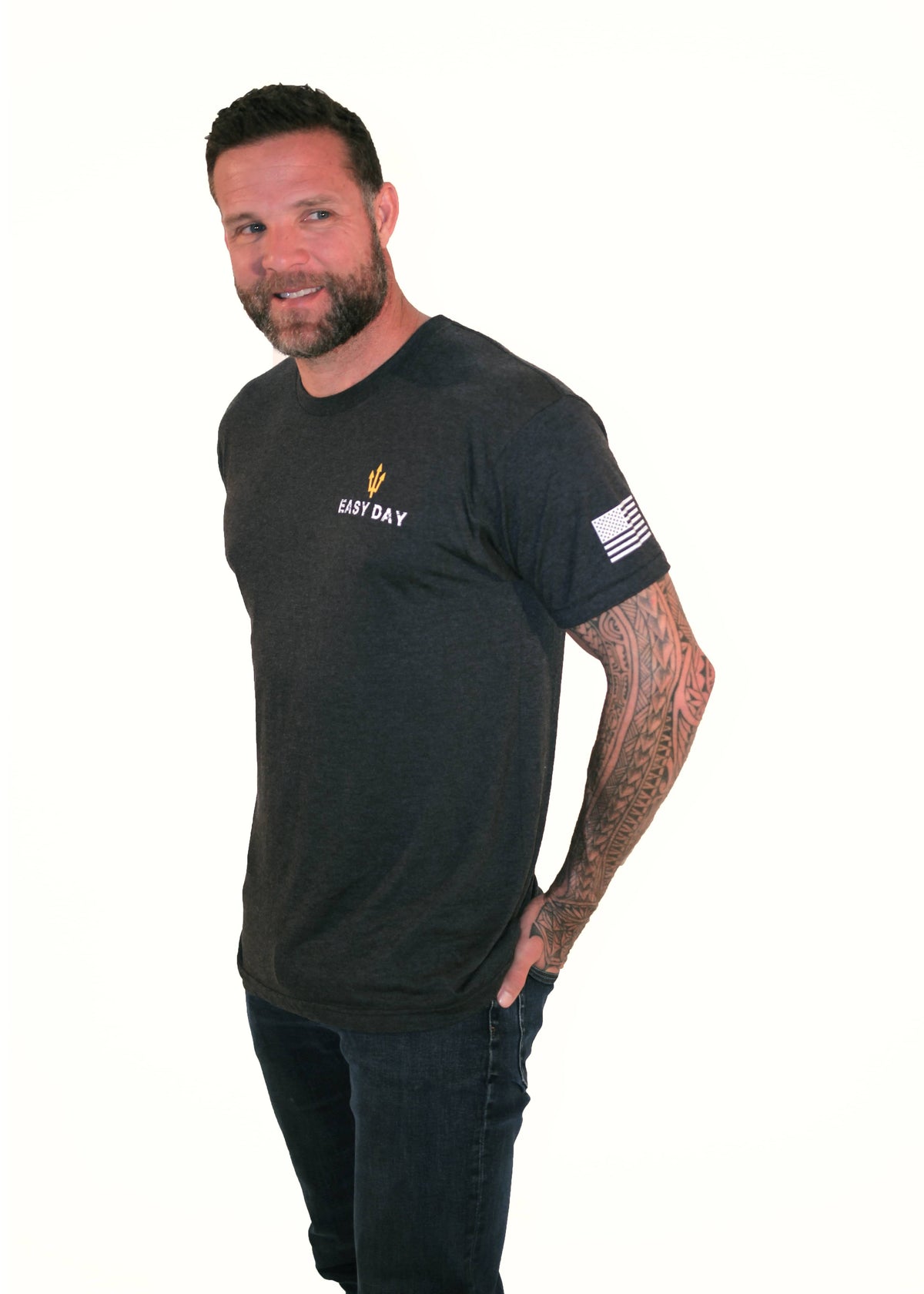
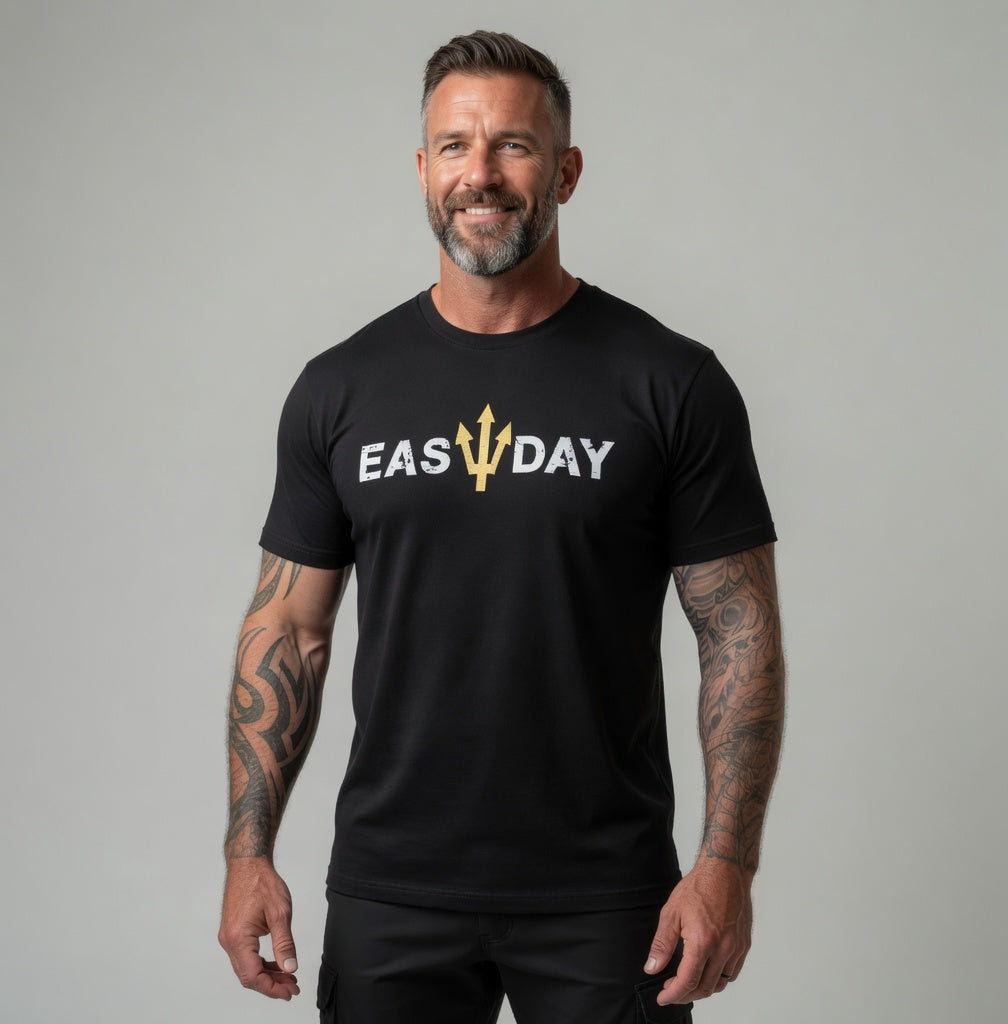
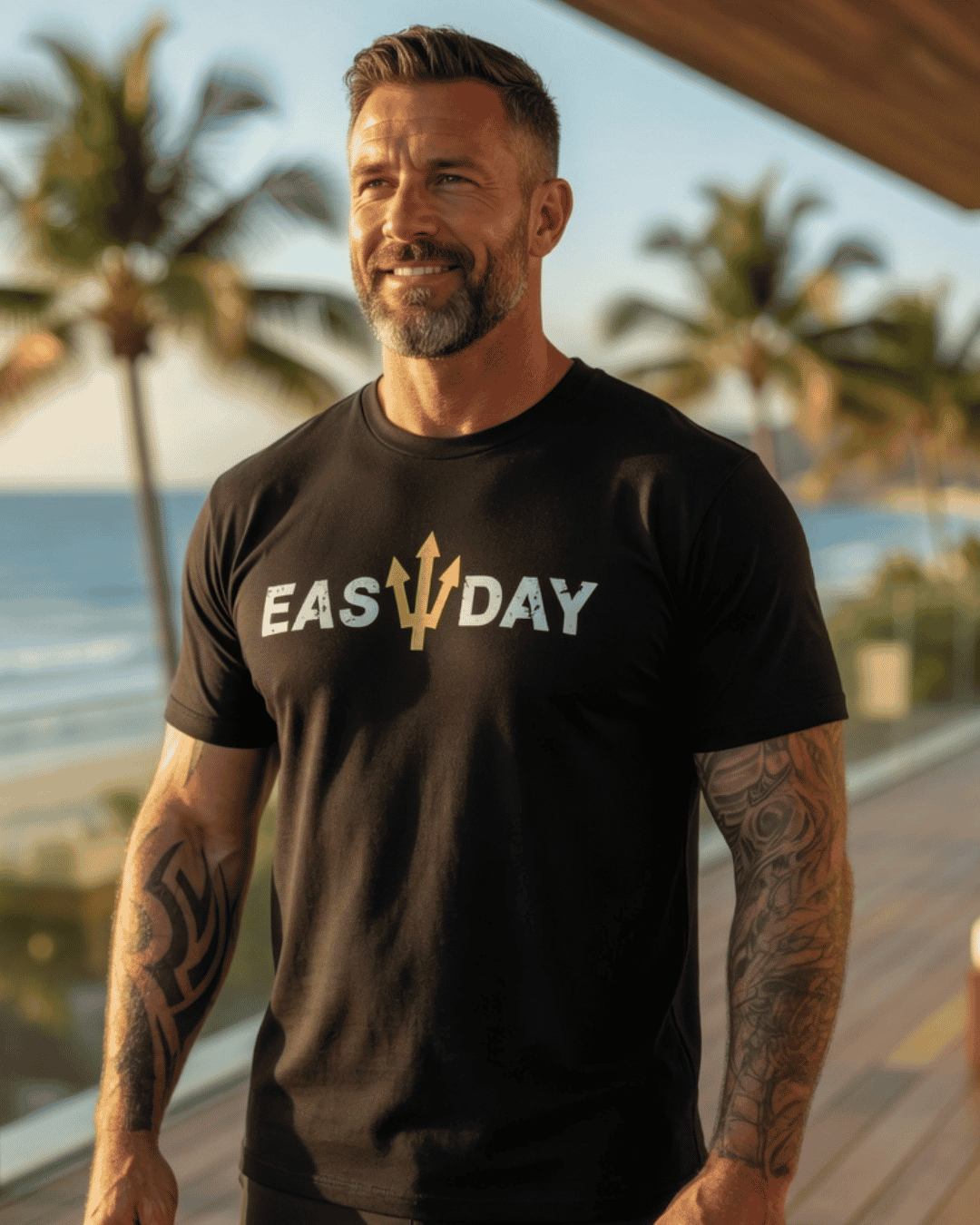
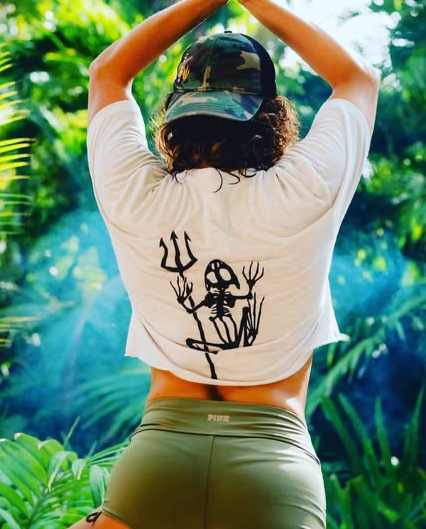
Browse Easy Day Apparel — built to last and to look like you meant it.